More renters across Southwest Florida are turning their balconies into green retreats. If you're renting an apartment in Fort Myers, Florida, you've got a real advantage: year-round warmth, plenty of sunshine, and a climate that makes tropical plants thrive with minimal effort. A balcony garden here isn't a weekend hobby; it's a lifestyle upgrade that costs as little as $50 to get started.
Ready to get growing? Contact Millennium Apartments at (239) 312-5461 to ask about apartments with private balconies that give you the outdoor space to make it happen.
What Should You Consider Before Starting a Balcony Garden in Florida?
Before buying a single pot, check two things: which direction your balcony faces and how much wind exposure you're dealing with. These two factors determine everything else.
A south-facing balcony in Fort Myers gets intense sun for 8-10 hours a day during summer. That's great news for heat-loving vegetables and herbs, but it means your containers can dry out within 24 hours in July and August when temperatures regularly hit 93°F. North-facing balconies get softer, filtered light, which suits ferns, pothos, and shade-tolerant ornamentals much better.
Why direction matters: Planting the wrong species on the wrong exposure burns through money fast. A $12 basil plant placed on a shadowed north-facing balcony won't survive two weeks. Get the orientation right first, and everything else gets easier.
If you're in a high-rise near the Caloosahatchee River or anywhere along the Gulf Coast corridor, wind is another factor to plan around. Upper-floor balconies can see gusts strong enough to knock over standard containers and strip leaves from delicate plants.
Choosing the Right Containers and Soil for Fort Myers Heat
For apartments in Fort Myers, Florida, self-watering pots are the single best investment you can make. Standard terracotta looks great but dries out extremely fast in Southwest Florida's summer heat. Self-watering containers with built-in reservoirs can extend watering intervals from once a day to every 3-4 days, which makes a real difference during the work week.
Here's what tends to work best:
- Self-watering plastic or resin pots ($15-$40 each): Lightweight, heat-resistant, and won't crack through hurricane season. A set of three 12-inch pots runs about $45-$90.
- Fabric grow bags ($8-$20 for a pack of 5): Excellent airflow to roots, which helps prevent root rot during Florida's humid summers. They fold flat for storage, too.
- Lightweight potting mix with perlite added: Standard potting soil gets compacted and waterlogged quickly in Florida's humidity. Adding 20-30% perlite by volume improves drainage significantly and costs around $10 for a large bag.
Skip heavy ceramic pots unless your balcony is on a ground floor. Weight limits on apartment balconies average 40-60 pounds per square foot, and ceramic pots filled with soil can push that quickly.
What Plants Grow Best on a Small Fort Myers Balcony?
The best plants for apartment balconies in Fort Myers, Florida fall into three categories: heat-tolerant herbs, tropical ornamentals, and vertical-growing vegetables. Each serves a different purpose and fits into even tight spaces.
Heat-tolerant herbs are the easiest starting point. Rosemary, basil, lemongrass, and Cuban oregano all handle the Gulf Coast heat without much fuss. Rosemary especially thrives in hot, dry conditions and can grow in a 6-inch pot for a full season. One healthy rosemary plant costs $4-$8 at a local nursery and will last 2-3 years with basic care.
Tropical ornamentals do double duty: they look beautiful and handle Florida's humidity and heat without complaint. Bougainvillea trained up a small trellis adds color fast, hibiscus blooms almost year-round, and bird of paradise gives a dramatic look to a larger corner space. These plants are also low-maintenance once established, typically needing water every 2-3 days rather than daily.
Vertical-growing vegetables are the smart choice when floor space is limited. Cherry tomatoes, pole beans, and cucumbers all grow upward with simple trellis support and produce a harvest worth eating. A bamboo trellis costs under $10 and fits any standard balcony railing. Cherry tomato plants start producing fruit in as little as 60-70 days from transplant.
How Do You Make the Most of a Small Balcony Space?
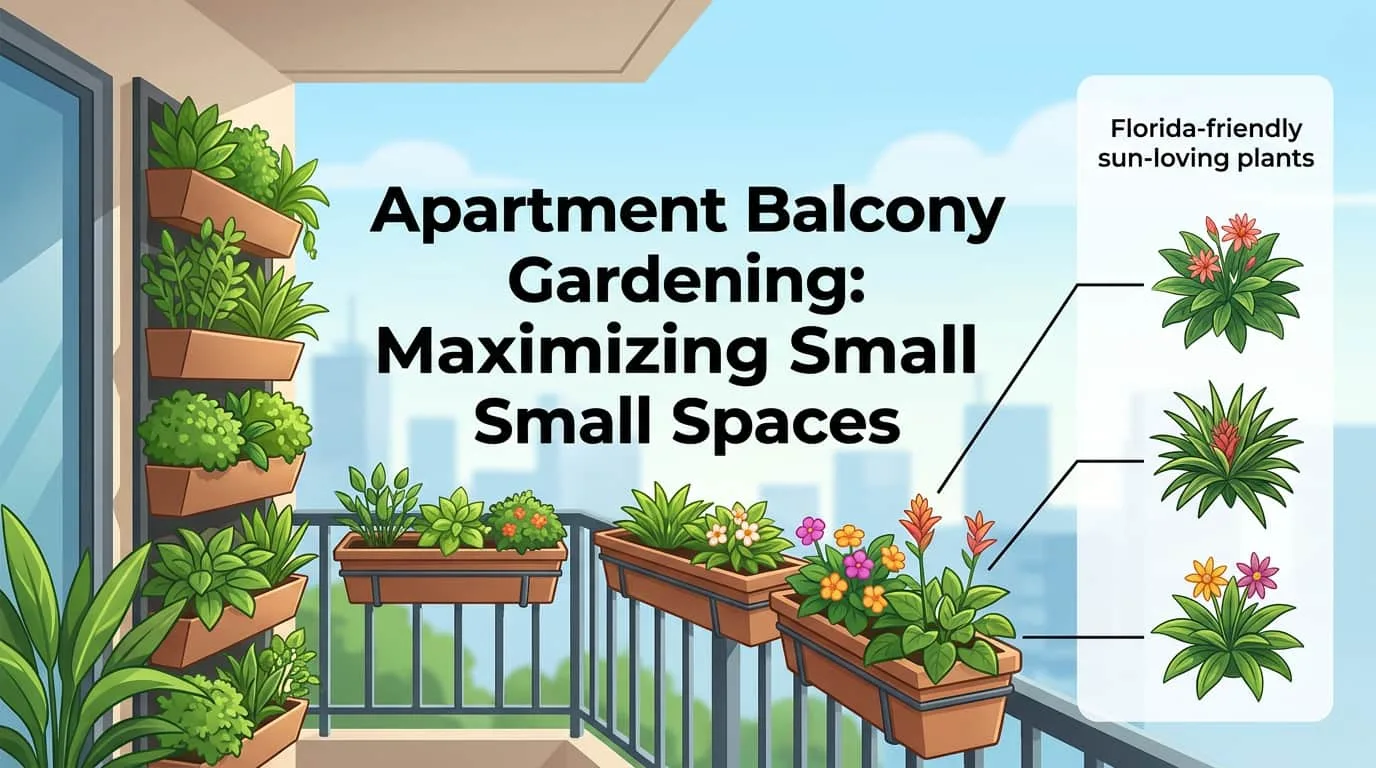
Vertical space is your best friend on a compact Fort Myers balcony. Most renters only think horizontally and fill the floor with pots, which runs out of room fast. Going vertical triples your growing area without adding a single square foot of floor coverage.
A few practical approaches that work well:
- Railing planters ($20-$45 each): Hook directly over the railing and hold herbs or trailing plants like sweet potato vine. No drilling, no damage to the apartment, and easy to reposition.
- Tiered plant stands ($35-$80): A three-tier stand holds 6-9 pots in the footprint of a single large container. Great for herb collections or mixing ornamentals with edibles.
- Wall-mounted pocket planters ($25-$50 per panel): Hang on a fence-style balcony wall with removable adhesive hooks. Each panel holds 4-6 plants and takes up zero floor space.
Multi-functional furniture helps, too. A bench with built-in storage underneath doubles as a potting station and a place to sit. Folding bistro tables keep the space functional without permanently committing floor space to furniture.
The "Botanical Bento" approach is trending among renters who want a curated, magazine-worthy balcony without a lot of space: treat each section of your balcony like a bento box compartment, with one zone for edibles, one for color, and one for relaxing. It keeps things organized and visually intentional rather than cluttered.
How Do You Handle Wind and Pests on a Florida Apartment Balcony?
Wind resistance is a real issue for anyone living above the third floor in Fort Myers. During hurricane season, which runs June through November, even moderate storms can damage unsecured containers and plants.
A few straightforward solutions:
- Use weighted or low-profile containers on upper floors.
- Choose plants with flexible stems like ornamental grasses rather than stiff, upright varieties.
- Group pots together; clustered plants protect each other from wind exposure.
- Store lightweight pots inside when a tropical storm or hurricane watch is issued.
Humidity-related pests are the other common challenge. Fort Myers averages 75-80% humidity from June through September, and that creates perfect conditions for fungus gnats, whiteflies, and powdery mildew. Most balcony renters don't realize that overwatering is the main cause of pest problems in containers, not the plants themselves. Letting the top inch of soil dry out between waterings cuts pest pressure dramatically. A spray bottle with diluted neem oil ($12-$18 per bottle) handles most insect problems organically and is safe to use in a shared outdoor space.
Ready to Build Your Balcony Garden?
A balcony garden in Fort Myers doesn't need a lot of money or space to feel like a real retreat. Start with three pots, one self-watering container, and a bag of potting mix with perlite. Add a rosemary plant, a hibiscus, and a cherry tomato. You'll have herbs for cooking, color, and something to harvest within 60 days, all for under $75.
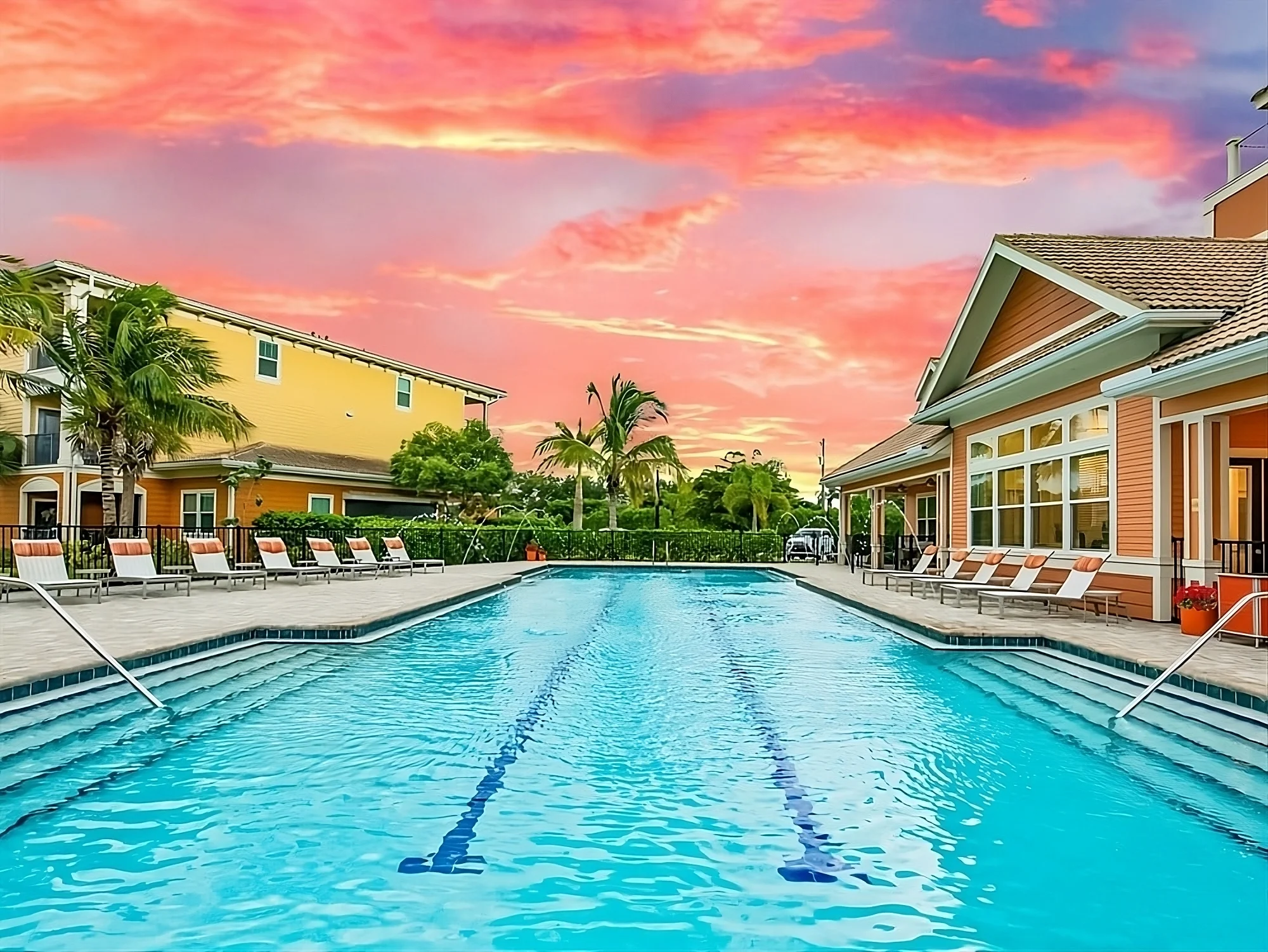
If you're looking for apartment rentals in Fort Myers with private balconies built for this kind of outdoor living, Millennium Apartments offers spacious one-, two-, and three-bedroom floor plans in a gated community at 9505 Blackwood Circle. Call (239) 312-5461 to schedule a tour today.